Performing Arts Hall and Auditorium Building Design
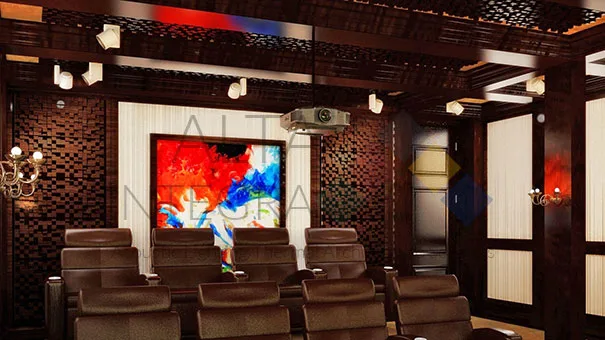
Integrated design for a performing arts building is an approach that coordinates every engineering discipline — acoustics, lighting, AV, and building services — around a single goal: a hall that lets the widest possible variety of artistic performances be shown at their best, for whoever is performing in it. A performing arts venue succeeds or fails on several fronts at once, and integrated design exists specifically to make sure none of them is sacrificed for the others.
What a Performing Arts Building Needs to Deliver
Alta Integra's design philosophy for performing arts buildings is built around four outcomes that have to be achieved together, not traded off against each other:
An amazing experience for visitors, from the moment they arrive to the moment the performance ends.
Comfort and productivity for the performers and the management team working behind the scenes.
Preservation of the nation's art and culture, since a performing arts building is itself a venue for cultural continuity.
Safety and security for everyone in the building, performers and audience alike.
Design Philosophy: Research Before Drawing
In the pre-design phase, Alta Integra carries out research so that the finished performing arts building can satisfy three groups at once: the performer, the viewer, and the institution that builds and operates the building. Integrated design means every element of the building's design is already coordinated with every other element from the earliest stage, so the finished building can achieve its maximum performance rather than compromising in one discipline to fix a problem caused by another.
The Elements of Integrated Design
A performing arts building draws together a wide range of engineering and design disciplines, each of which affects how the finished hall actually performs:
Architecture
Interior Design
Architectural Acoustics
Noise Control
Lighting Design
Daylighting Design
Audio Video and Information Technology
Mechanical Electrical Plumbing
Building Thermal Insulation Performance
Air Ventilation Design
Energy Saving
Each of these disciplines touches the performer and audience experience directly. Acoustics and noise control determine whether speech and music are heard clearly and without unwanted background interference. Lighting and daylighting design shape both the visual atmosphere for a performance and the comfort of the spaces used before and after it. Audio-video and information technology integration supports everything from live sound reinforcement to broadcast and recording. And building thermal performance, ventilation, and energy design determine whether the building is comfortable and efficient to operate long after opening night.
Working With the Design Team
Alta Integra works alongside architects, interior designers, and other consultants throughout a performing arts project, with the explicit goal of achieving a genuinely stunning result — not by taking over the design, but by making sure the acoustic, lighting, and building-performance dimensions of the project are considered as early and as collaboratively as the architectural vision itself.
Why Performer Comfort Is Part of the Brief
It is easy to design a performing arts building around the audience experience alone and treat performer and backstage conditions as secondary. Alta Integra's integrated brief treats performer and management comfort as a primary design outcome, not an afterthought: acoustic isolation between stage, backstage, and rehearsal spaces; lighting and ventilation in areas where performers prepare; and building systems that stay reliable through long rehearsal and performance schedules. A hall that sounds and looks superb from the seats but is difficult to work in behind the scenes ultimately affects the quality of what audiences see and hear, which is why performer-facing conditions are treated as inseparable from the visitor experience rather than a lower-priority concern.
Frequently Asked Questions
What is integrated design for a performing arts building?
It is a design approach that coordinates architecture, acoustics, lighting, AV, and building services together from the earliest design stage, so the finished hall performs well across all disciplines at once rather than having one discipline compromise another.
Why does a performing arts hall need specialized acoustic design?
Because speech intelligibility and music quality depend on room acoustics — reverberation time, reflections, and noise control — that must be engineered specifically for the hall's intended use, not left to the building's architecture alone.
How early should acoustic and lighting design be involved in a performing arts project?
As early as the pre-design research phase, so that acoustic, lighting, and other engineering requirements can shape the architectural design rather than be retrofitted into a finished building layout.
Does integrated design apply to any size of performing arts venue?
Yes — the same coordination principle applies whether the venue is a large concert hall, a theatre, or a smaller multipurpose auditorium; what changes is the scale and specific mix of disciplines emphasized.
What building-performance factors matter beyond acoustics and lighting?
Thermal insulation, air ventilation design, and energy efficiency all affect a performing arts building's long-term comfort and operating cost, and are considered alongside acoustics and lighting in an integrated design process.
Related reading: Acoustic Design Consultation Services · School and Education Facility Design · Bioclimatic Passive Design