Insights
- Light as a LEED Strategy: Lighting Credits in LEED v5 and v4.1
- Signify Innovation Day 2026: Lighting for Sustainable Building Performance in Indonesia
- How to Use the Outdoor Noise Barrier Calculator: A Step by Step Guide
- How to Use the Projector and Screen Calculator: A Step by Step Guide
- How to Use the Daylight Calculator: A Step by Step Guide
- How to Use the U-Value Calculator: A Step by Step Guide
- Sport Hall Integrated Design at Canisius College 2017
- How to Use the Ceiling Speaker Calculator: A Step by Step Guide
- How to Use the Natural Ventilation Calculator: A Step by Step Guide
- How to Use the OTTV Calculator
- How to Use the PAG/NAG Calculator
- How to Use the Photometric Calculator
- How to Use the Lumen Method Calculator
- How to Use the Room Mode Calculator: A Step-by-Step Guide
- How to Use the RT60 Calculator: A Step by Step Guide
- Merah Putih Facade Lighting in Indonesia: Wisma Danantara, Makassar Cathedral and Jakarta Cathedral
- Matching a Room to a Horn Loudspeaker System: A Custom Treatment Case Study
- Classroom Acoustics and Daylighting: Designing Schools Around How Learning Actually Happens
- Measuring a Production Room: Why the Right RT60 Depends on Volume and Use
- Consultant or Design-Builder: Which Risk Are You Least Willing to Carry?
- Outdoor Lighting Without Light Pollution: Four Components and How to Design Them Out
- Designing a Performing Arts Hall: Why Backstage Conditions Belong in the Brief
- Acoustic Noise Measurement: Turning a Complaint Into Data You Can Design Against
- Noise Pollution: The Psychological, Physiological and Ecological Costs
- Modelling Traffic Noise Before Choosing Glazing: A Guest House Case Study
- HVAC Noise Above 55 dBA in an Open-Plan Office: A Modelling-Led Fix
- Controlling Reverberation and Echo: Measuring RT60 in Each Frequency Band
- Karaoke Room Design: Why Singers Need to Hear Themselves, and What Stops Them
- Hotel and Apartment Design: Why Acoustics, Lighting and Thermal Performance Interact More Here Than Anywhere
- EASE Room Modelling and Auralisation: ALTA Integra’s RECAV 2017 Workshop
- Does LEED Certification Increase Hotel Revenue? What the Cornell Research Found
- Sound System and Hall Performance: What an Equaliser Can Fix and What It Cannot
- Music and Speech Hall Acoustics: Resolving Two Opposite Requirements in One Room
- High-End Audio Room Acoustics: The Physics Behind Tonal Balance, Decay and Phase
- Room Resonance and Frequency Response: Why Dimensions Decide How a Room Sounds
- ALTA Integra at RECAV 2017: Two Acoustics Papers on Room Modes and Sound Insulation
- Home Theatre Acoustic Design: Room Modes, Reflections and the Four Disciplines That Have to Agree
- ALTA Integra’s 2017 Consultant and Architect Gathering on Architectural Acoustics and Noise Control
- What an Acoustic Consultant Does: Scope, Project Phases and When to Bring One In
- Indoor Air Quality in Jakarta Buildings: What LEED v5 and WELL v2 Require
- Noise Rating Curves Compared: NC, PNC, RC, NCB and RC Mark II
- Upper-Room UVGI: How Germicidal UV Disinfects Air in Occupied Rooms
- Room Acoustics Explained: Reflection, Absorption, Diffusion, Diffraction and Room Modes
- Reverberation Time (RT60): The Sabine Equation, DIN 18041 Targets and Echo Control
- Noise Control Ratings Explained: STC, ASTC, OITC, IIC and Damping Loss Factor
- Structure-Borne vs Airborne Noise: How to Diagnose the Transmission Path in a Building
- Sound Pressure Level (SPL) Explained: From Pascals to the Decibel Scale
- Noise Criteria (NC) Ratings: How to Read an NC Curve and Convert It to dBA
- Background Noise in Buildings: What It Costs in Productivity, Health and Speech Intelligibility
- Acoustic Design for Meeting Rooms, Offices and Classrooms: RT60 Targets by Room Type
- Sound Stage Acoustic Design: How Scoring Stages, Foley Rooms and ADR Studios Differ
- How a Room’s Noise Floor Affects Audiophile Sound Quality
- Audio Quality vs Room Acoustics: Which One Actually Limits What You Hear
- Bioclimatic Architecture as a Strategy for Green Buildings
- Performing Arts Venue Design: Capacity, Auditorium Shape and Stage Layout by Venue Type
- Indoor Air Quality and Occupant Health: Pollutant Sources, Ventilation Rates and Verification
- Green Building Design with Renewable Energy
- Why Thermal Comfort Is Scored as a Green Building Criterion
- Music Studio Acoustic Design: Isolation, Treatment and RT60 Targets for Home and Commercial Rooms
- EASE Acoustic Modelling for a Multi-Use Function Hall: The Mandiri Club Case Study
- Viscoelastic Layers and Transmission Loss: ALTA Integra’s RECAV 2017 Panel Research
- High-End Audio Room Acoustic Design: Room Modes, Reflection Points and Why Ratio Beats Treatment
- Green Building Certification Consultant Indonesia
- Professional Recording Studio Design: The Room Programme and Why Room Ratio Comes First
- Tracing Noise Leakage to a Roof: A Karaoke Venue Case Study
- Measuring Room Acoustics for Sound Reproduction: Room Response, RT60 and the 300 Hz Problem
- Passive Thermal Design and Natural Ventilation
- Acoustic Design Consultation Services
- Splaying Walls and Room Mode Distribution: ALTA Integra’s RECAV 2017 Research
- Acoustics Hong Kong 2012 Conference
- Thermal Comfort in Indonesian Building Design
- ALTA Integra Wins the Mandiri University Design Competition for Acoustics, Lighting and AV
- What an Audiovisual Consultant Does That a Supplier Cannot
Table of Contents
Building Physics Insights
Observing how rooms work. These building physics insights span four streams of writing: site observations from the team's travels, applied research studies, perspective essays for clients and peers, and ALTA Integra news.
Four Streams
- Site Observation (25 articles), real, on-site findings from ALTA Integra's own project visits.
- Research Study (7 articles), applied research into acoustic, lighting, and thermal performance questions.
- Article (20 pieces), perspective essays written for clients and peers.
- News (5 items), practice updates, conference papers, and project milestones.
Recent Topics
Recent building physics insights include classroom acoustics and daylighting design, measuring reverberation time by room volume and use rather than a fixed target, the risk trade-off between hiring a consultant versus a design-builder, outdoor lighting without light pollution, and backstage conditions in performing-arts hall design. Longer-running topics cover indoor air quality under LEED v5 and WELL v2, noise rating curves (NC, PNC, RC, NCB, RC Mark II), and the physics behind tonal balance in high-end audio rooms.
The oldest articles here date to 2017 conference papers and workshop write-ups; the newest, published this month, cover live client questions the team is answering right now. Every article on this hub is written by the same practice that designs the buildings it writes about, not a marketing team summarising someone else's research.
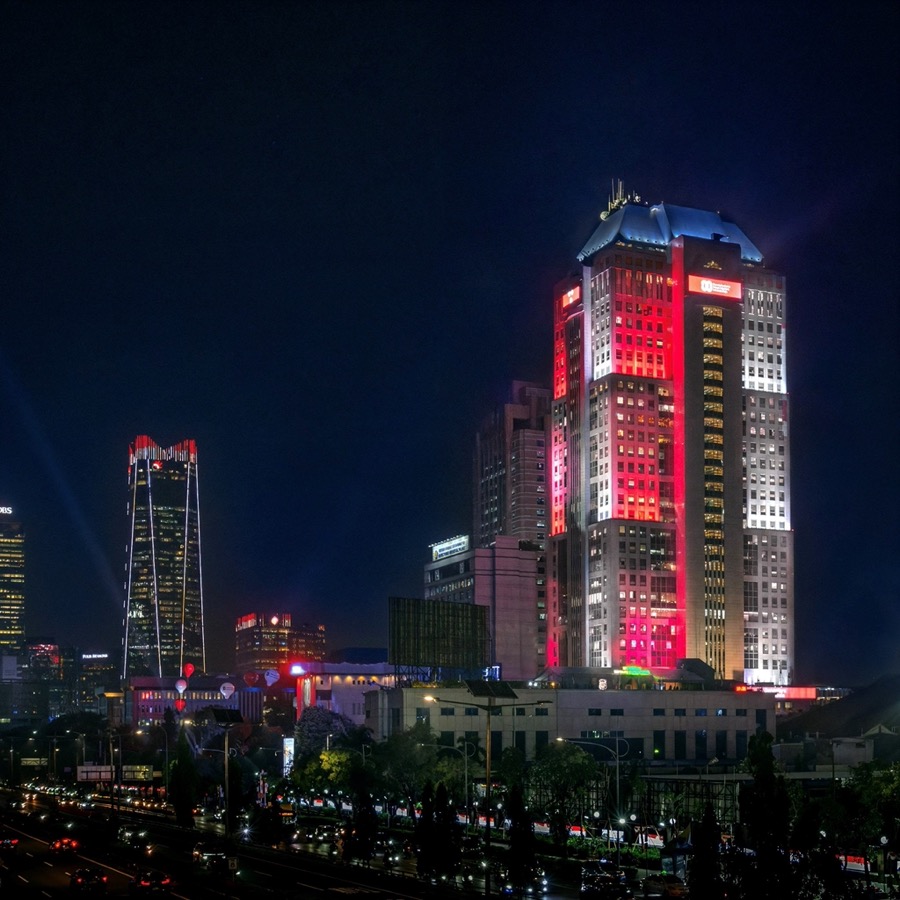
See the disciplines behind these building physics insights on the services page, or the real projects they draw from in the projects portfolio.
New building physics insights are added as active projects raise questions worth writing up, this is a working practice journal, not a static archive.
Disciplines Behind These Insights
These building physics insights are written by the same team delivering ALTA Integra's eight integrated engineering services across real projects, acoustic, lighting, audiovisual, IT, passive design, design guidelines, and green and health building certification.
For the underlying acoustic-measurement standards referenced in the articles above, see the Acoustical Society of America.
How These Insights Are Written
Each article starts from a real project condition ALTA Integra has actually measured or designed against, not a generic industry talking point. A Site Observation piece typically opens with a field measurement or as-built photo; a Research Study piece states its method and data before its conclusion; an Article walks through the reasoning behind a design decision the team has made on a real brief.
Sources cited across these insights include ISO, ASTM, DIN, and ANSI/ASA standards, IES and CIE lighting guidance, USGBC and IWBI certification frameworks, and peer-reviewed acoustics and daylighting research, always linked to the primary source rather than paraphrased secondhand.
What You Will Find
Every insight article on this hub is written by the same engineers and consultants who deliver the underlying projects, not summarised secondhand by a marketing team. Site Observation pieces come directly from project visits and as-built measurements; Research Study pieces test a specific acoustic, lighting, or thermal-comfort question against real data; Article pieces step back to explain a standard, a method, or a design trade-off in plain language; and News pieces cover practice milestones, conference papers, and workshop write-ups.
Readers most often arrive here from a specific question: how loud is too loud in an open-plan office, what reverberation time actually suits a classroom, whether a design-builder or an independent consultant carries less risk on a given project, or how a green building certification scorecard actually gets built line by line. Each of those questions has its own article here, grounded in a real project rather than a generic checklist.
Further Reading
ALTA Integra publishes ongoing building physics insights covering the full archive of site observations, research studies, and articles, written by the same practice delivering the work, not a marketing team summarising someone else's research.
Related Insights Insights and Project Work
Further Insights material from ALTA Integra, related technical insights, and the built projects where this engineering was applied.
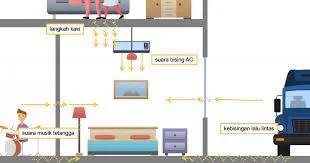 Insight: Noise Rating Curves Compared: NC, PNC, RC, NCB and RC Mark II, Five systems, seventy years, and each one published to correct a specific flaw in the one before it, but only two are primary methods in the current standard.
 Insight: Acoustics Hong Kong 2012 Conference, ALTA Integra acoustic consultant Herwin Gunawan attended Acoustics Hong Kong 2012, an international acoustics research conference and trade fair.
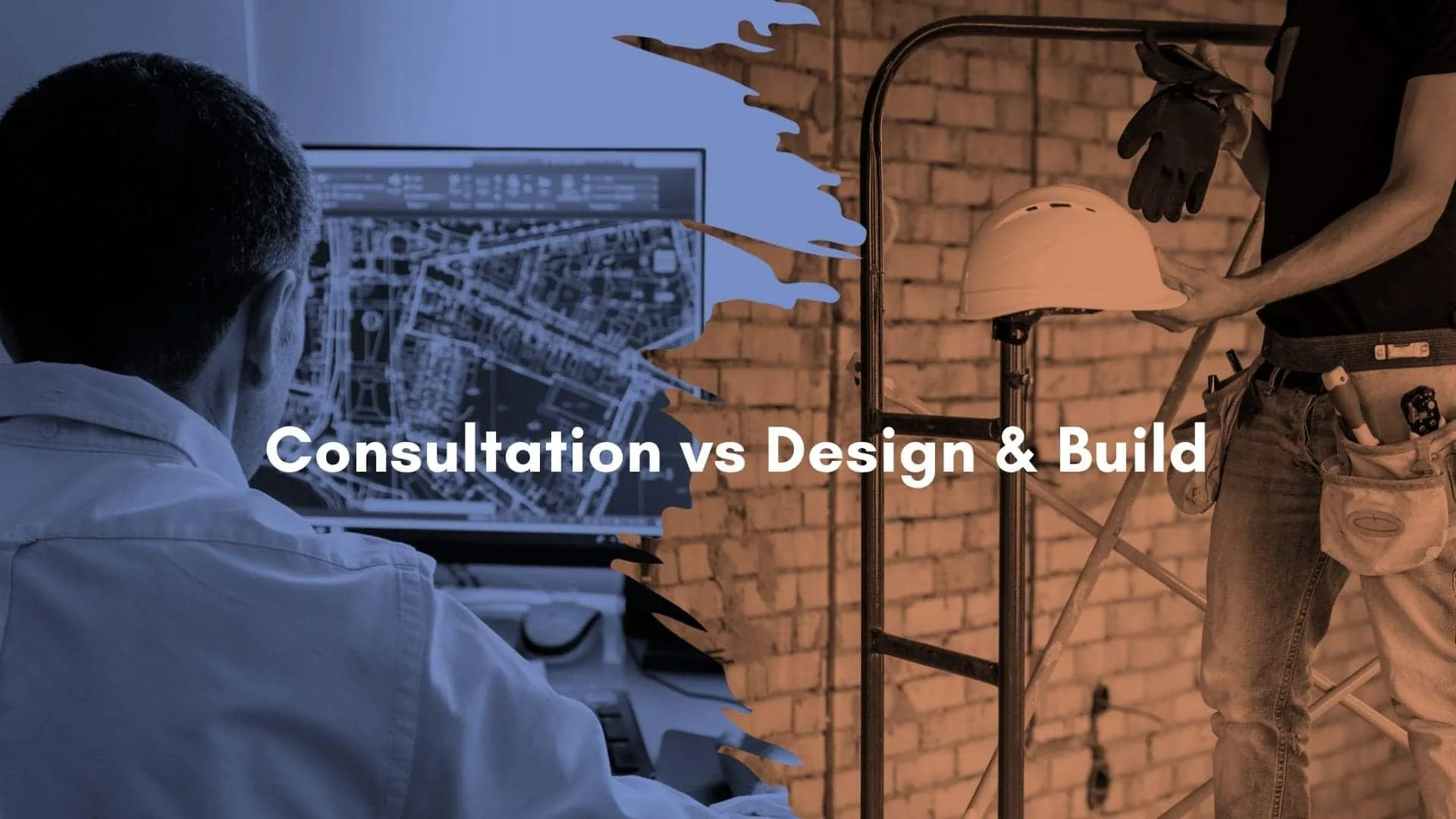 Insight: Consultant or Design-Builder: Which Risk Are You Least Willing to Carry?, One route buys cost certainty. The other buys design quality. Complexity decides which you can afford to trade.
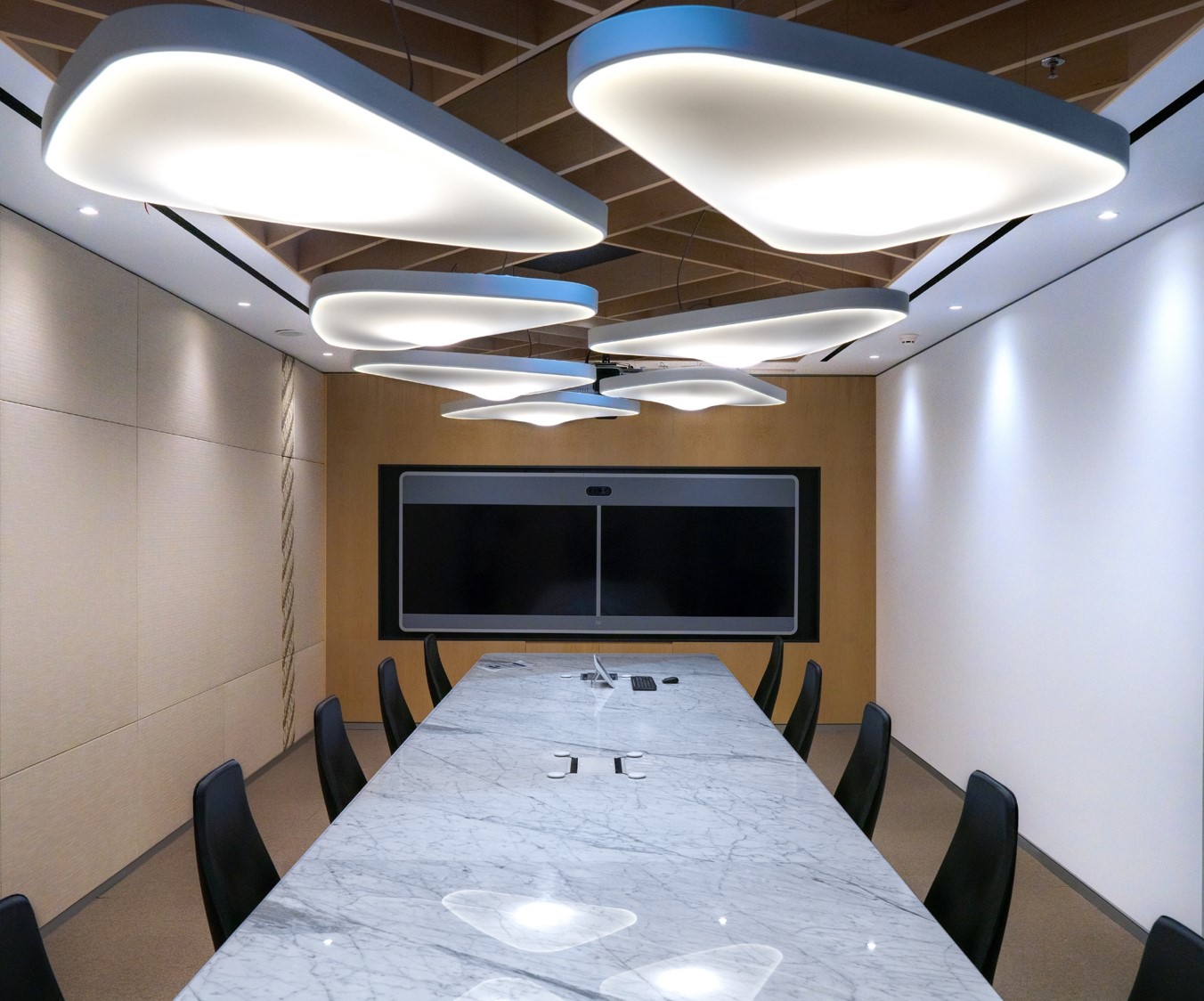 Project: Global Financial Services Office, Global banking fitout, open-plan acoustic zoning, hybrid-ready meeting rooms, and biophilic lighting for a workforce focused on precision.
 Project: DBS Bank, Capital Place Jakarta, AV-over-IP, cloud-controlled meeting rooms, and room acoustics tuned for hybrid speech intelligibility.