What an Audiovisual Consultant Does That a Supplier Cannot
A supplier explains why their product is right. A consultant establishes what right means before anyone opens a catalogue.
The difference between an audiovisual consultant (AV) and an AV supplier is not expertise: good suppliers have plenty. It is obligation.
A supplier's job is to explain why their product suits your requirement. A consultant's job is to establish what the requirement is before any catalogue opens, which is a different task and produces a different answer often enough to matter.
That distinction runs through every stage of the work: defining the performance target, designing the system concept, estimating budget and producing tender documents. It shows again when the result is verified against what was specified.
The Seven-Stage Process
| Stage | What happens |
|---|---|
| 1. Understand needs | Activities, operational habits and constraints, taken directly from owners and operators |
| 2. Set performance targets | Benchmarked against relevant standards or comparable real-world installations |
| 3. Design the system concept | Products and specifications integrated to hit the target within budget |
| 4. Estimate budget | Including on-site demonstrations: projector contrast under real ambient light, for instance |
| 5. Produce tender documents | Drawings, terms of reference and bill of quantities, or construction drawings for a direct appointment |
| 6. Support construction | Adjust design and drawings as products become unavailable or other disciplines change |
| 7. Test and evaluate | Measure the installed system against the original target, with recommendations where it falls short |
Stage two is the one that cannot be delegated to a supplier. A performance target written by someone who also sells the equipment will be a target their equipment meets.
Why the Gap Between Expectation and Result Opens
Most owners commissioning an AV system already have an experience in mind and want to deliver it to their audience. The installed system frequently does not match that expectation, and the usual reason is that the conversation started with products rather than with what the space needs to do.
Beginning with activities, operational habits and constraints, gathered directly from the people who will run the space, produces a different brief. A lecture theatre used for hybrid teaching has different requirements from one used for lectures with recording, even though both would be described as "a lecture theatre with AV."
Setting a Performance Target Before Naming a Product
A defined performance target, benchmarked against standards or against comparable installations that can actually be visited and heard, is what makes the rest of the process objective. Without it, every subsequent decision becomes a matter of comparing proposals rather than measuring them against a requirement.
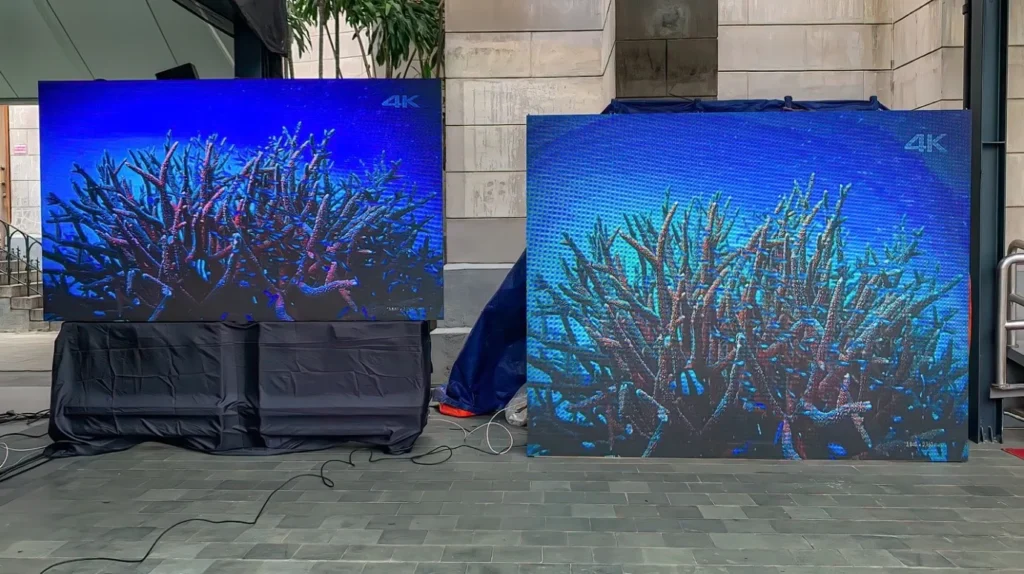
The same logic applies to budget. Evaluating an on-site demonstration (comparing projector contrast performance under the room's real ambient light rather than in a showroom) turns a specification comparison into an observation. Ambient light is the variable most often absent from a showroom demonstration and most often decisive in the finished room, which is why lighting and AV have to be resolved together, as covered in our article on home theatre design.
Independence Through Procurement and Construction
Asking a supplier to formulate the system concept tends to produce a design shaped around what that supplier sells. An independent consultant can specify what fits the requirement and the budget without an obligation to any brand, which matters most at tender stage, where the documentation determines what bidders are actually pricing.
It matters again during construction, where a specified product becomes unavailable or another discipline changes its design mid-project. Someone has to assess the acoustic, visual and operational consequences of the substitution and adjust the drawings, and that assessment is more reliable from a party with no interest in which product replaces which. Final testing against the original target closes the loop: a stage that only means anything if the target was set independently in the first place.
FAQ
What does an audiovisual system consultant do?
Analyses requirements, sets a performance target, designs the system, supports product selection and procurement, oversees installation and verifies final testing (independently of any AV supplier), so recommendations follow the requirement rather than a product line.
When is a consultant needed rather than going straight to a supplier?
When the project needs a performance target and system design not shaped by any one supplier's range, common in education, corporate and worship venues where AV performance directly determines how well the space functions.
What drives the cost of an AV project?
The performance target set for the space, the products chosen to meet it, and the complexity of integration with other systems such as lighting control. A consultant quantifies these at budget stage rather than after the target has already been implied by a product choice.
Does an AV consultant only work at design stage?
No. The process spans requirements analysis, design, procurement documentation, construction-phase support when products or other disciplines change, and final testing against the original target. That only means something if the target was set independently.
Why does independence from suppliers matter?
Because a consultant with no obligation to sell a brand can specify what best fits the requirement and budget. It matters most at tender stage, where documentation determines what bidders price, and during construction, where substitutions need impartial assessment.
This seven-stage, performance-target-first process is how ALTA Integra structures every engagement through its audiovisual consultant practice, from brief to commissioning.