PAG/NAG Feedback Stability Calculator
Table of Contents
PAG/NAG Calculator
This PAG/NAG calculator is free to use — no account, no password. It runs entirely in your browser; enter your name and email to reveal your result, and we can send you a copy.
This PAG/NAG calculator answers one question before a sound system is specified: will the system deliver enough gain for the furthest listener to hear the talker clearly, without ringing into feedback first? Set the room width, depth and height, drag the talker, microphone, loudspeaker, nearest listener and furthest listener into position, set the number of open microphones, and the calculator returns Potential Acoustic Gain, Needed Acoustic Gain, and the margin between them.
Four room presets are built in — boardroom, hotel ballroom, auditorium and house of worship — each with a typical geometry and open-microphone count, so a realistic starting point is one click away. Distances can be entered in metres or feet, and the feedback stability margin is adjustable from 0 to 12 dB, with 6 dB as the conventional default.
How the PAG/NAG Calculation Works
PAG/NAG is a distance-ratio method built on the inverse square law. Both halves of the PAG/NAG calculation reduce a room to five positions and the distances between them:
- D0 — talker to the furthest listener.
- D1 — microphone to the nearest loudspeaker.
- D2 — furthest listener to their nearest loudspeaker.
- D3 — talker to the nearest listener, the equivalent acoustic distance (EAD) the system has to reproduce for everyone else.
- Ds — talker to the microphone.
- NOM — the number of open microphones.
Needed Acoustic Gain is how much louder the system must make the talker for the back row to hear what the front row hears unaided:
NAG = 20 log (D0 / D3)
Potential Acoustic Gain is how much gain the system can produce before the microphone hears its own loudspeaker loudly enough to sustain a feedback loop:
PAG = 20 log ((D0 × D1) / (D2 × Ds)) − 10 log (NOM) − FSM
Two terms in that PAG expression are worth reading closely. The 10 log (NOM) term means every doubling of open microphones costs 3 dB of available gain — eight live microphones give up 9 dB against a single one, which is why automatic mixers exist. The FSM term is the feedback stability margin, conventionally 6 dB, subtracted so the system sits below the ringing threshold rather than exactly at it.
A Worked PAG/NAG Example

Take a hall where the talker stands 20 m from the furthest listener (D0), the microphone sits 0.5 m from the talker (Ds), the nearest loudspeaker is 6 m from that microphone (D1), the furthest listener is 3 m from their nearest loudspeaker (D2), the nearest listener is 2 m from the talker (D3), and two microphones are open (NOM = 2), with the conventional 6 dB margin.
NAG = 20 log (20 / 2) = 20.0 dB. PAG = 20 log ((20 × 6) / (3 × 0.5)) − 10 log 2 − 6 = 20 log 80 − 3.0 − 6 = 29.1 dB. The margin is PAG − NAG = +9.1 dB, so the system is stable with real headroom to spare.
Now change one thing: let the talker drift to 1.5 m from the microphone and open eight microphones instead of two. PAG becomes 20 log ((20 × 6) / (3 × 1.5)) − 10 log 8 − 6 = 28.5 − 9.0 − 6 = 13.5 dB, which is 6.5 dB short of the 20 dB needed. The same room, the same loudspeakers, and the system now rings before the back row hears the talker properly. Microphone discipline and open-microphone count move a PAG/NAG result further than most equipment choices do.
Reading the Result
The rule is simple: PAG must be greater than or equal to NAG. A positive PAG/NAG margin is headroom; a negative one means the design runs out of gain before it covers the room, and no amount of amplifier power fixes it, because the limit is geometric rather than electrical. The usual remedies are all geometric too — move the microphone closer to the talker, move loudspeakers closer to listeners and further from microphones, reduce the number of open microphones, or use directional microphones and loudspeakers to break the feedback path.
Where a PAG/NAG Calculator Stops

This PAG/NAG calculator is a first-pass stability check. It assumes a free field and omnidirectional sources, so it ignores room reverberation, loudspeaker and microphone directivity, equalisation, and the delay and gain-sharing behaviour of a modern DSP. Real rooms shift the answer in both directions: a reverberant hall erodes the margin the equation predicts, while a well-aimed directional array recovers some of it.
What the method is genuinely good for is catching an unworkable layout early, while loudspeaker positions and microphone counts are still drawings rather than installed hardware. ALTA Integra runs the same check at concept stage and then replaces it with full audiovisual and acoustic modelling — directivity-accurate loudspeaker prediction, measured room acoustics, and on-site verification — before a system is signed off. The published method behind this calculator is documented in Biamp's reference on calculating PAG and NAG.
Related PAG/NAG Calculator Insights and Project Work
Further PAG/NAG Calculator material from ALTA Integra, related technical insights, and the built projects where this engineering was applied.
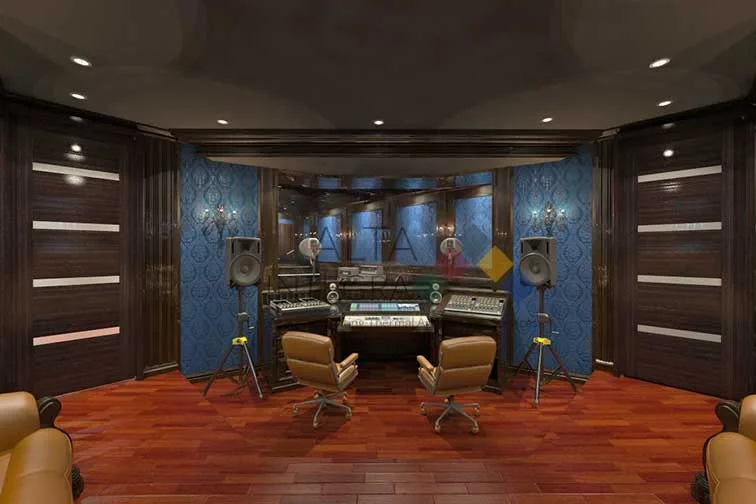 Insight: Karaoke Room Design: Why Singers Need to Hear Themselves, and What Stops Them, A singer who cannot hear themselves against the backing track pushes harder, and everything downstream gets worse.
 Insight: What an AV Consultant Does That a Supplier Cannot, A supplier explains why their product is right. A consultant establishes what right means before anyone opens a catalogue.
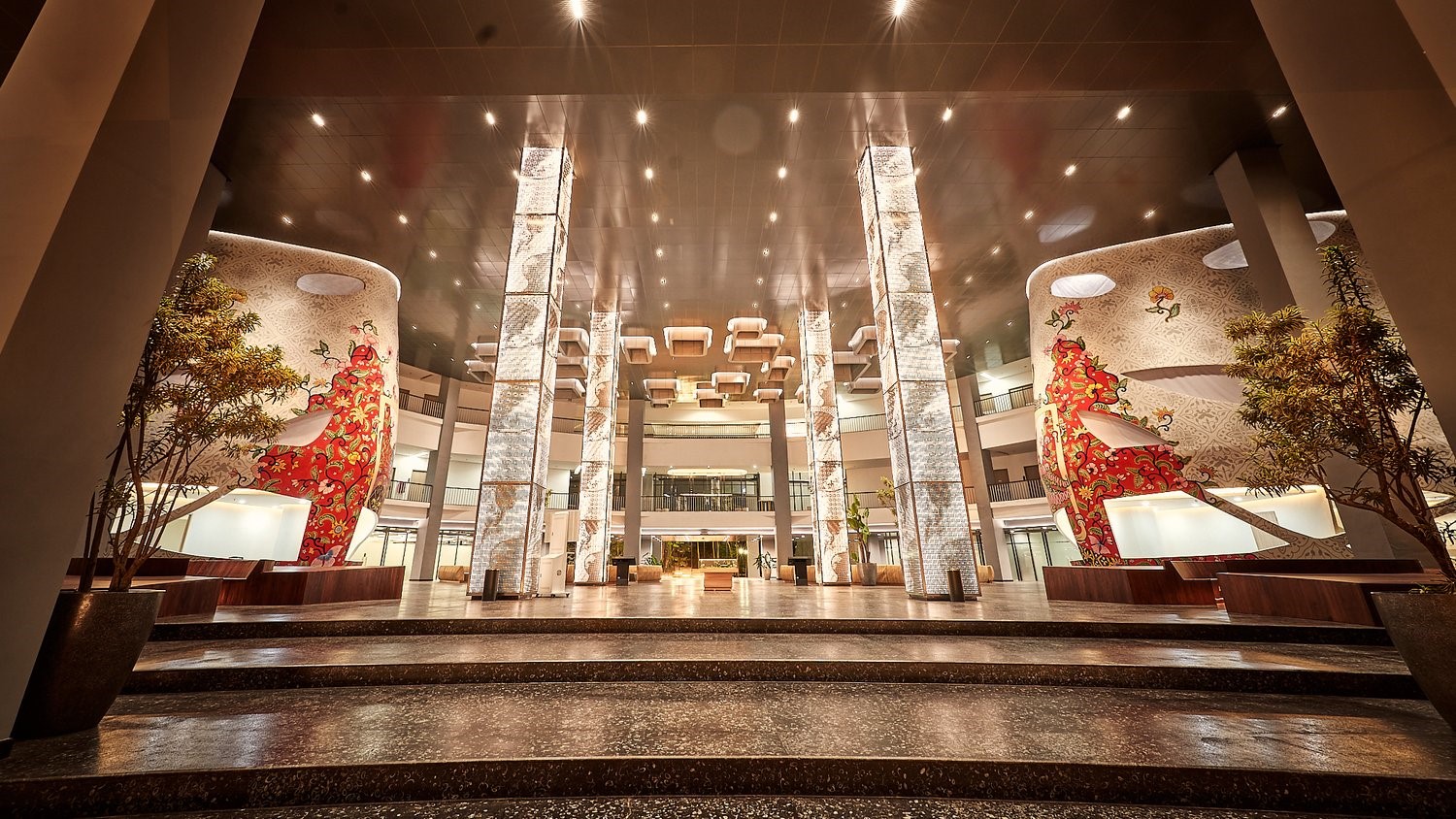 Insight: ALTA Integra Wins the Mandiri University Design Competition for Acoustics, Lighting and AV, Three disciplines awarded to one consultant on a single campus, against bidders from Singapore and Indonesia's larger firms.
 Insight: Sound System and Hall Performance: What an Equaliser Can Fix and What It Cannot, An equaliser can correct response. It cannot buy back gain the room has already lost to feedback.
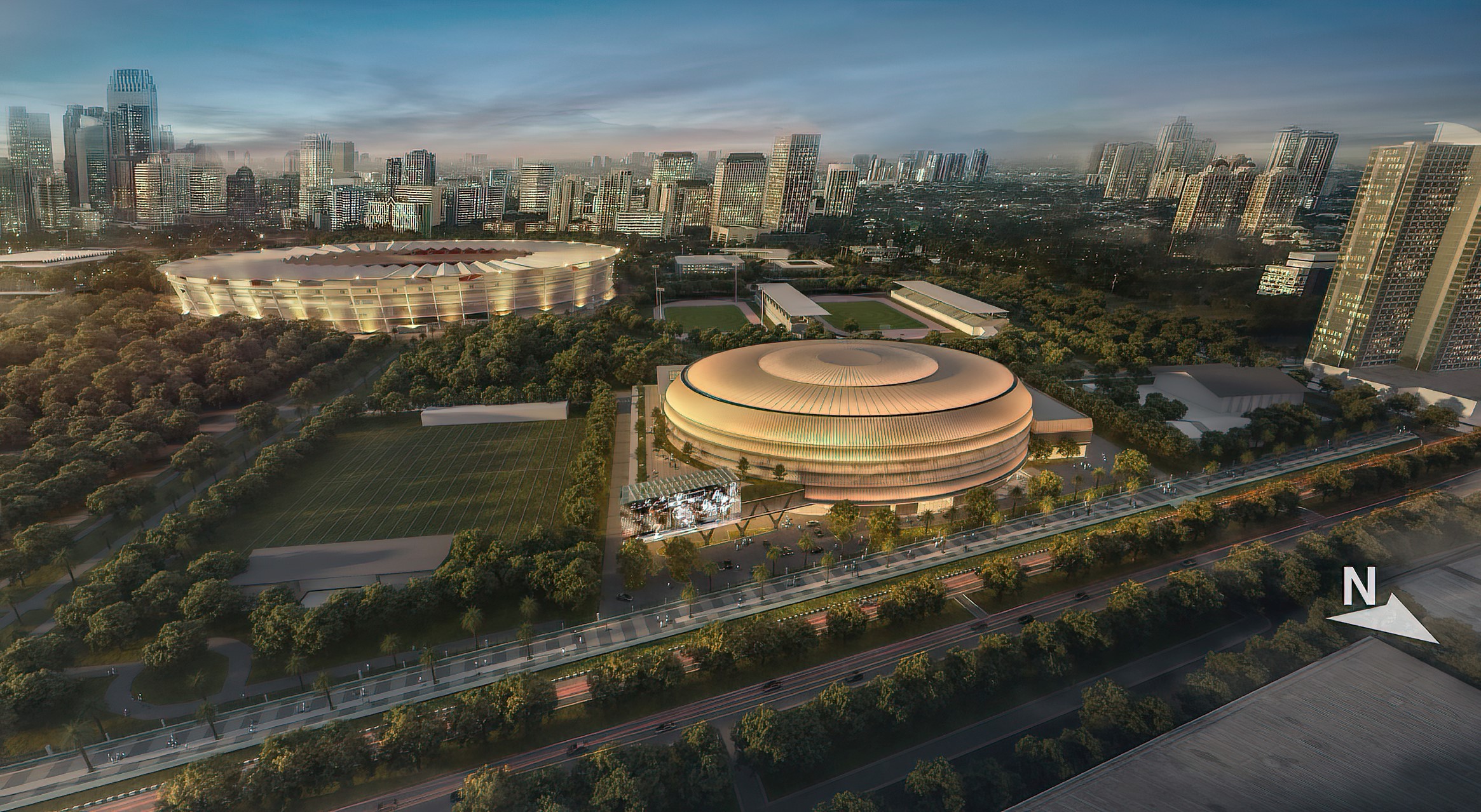 Project: Indoor Multi-Purpose Stadium Gelora Bung Karno, Next-level acoustic design that elevates every spectator's experience, reduced echoes and consistent PA clarity across every seating tier.
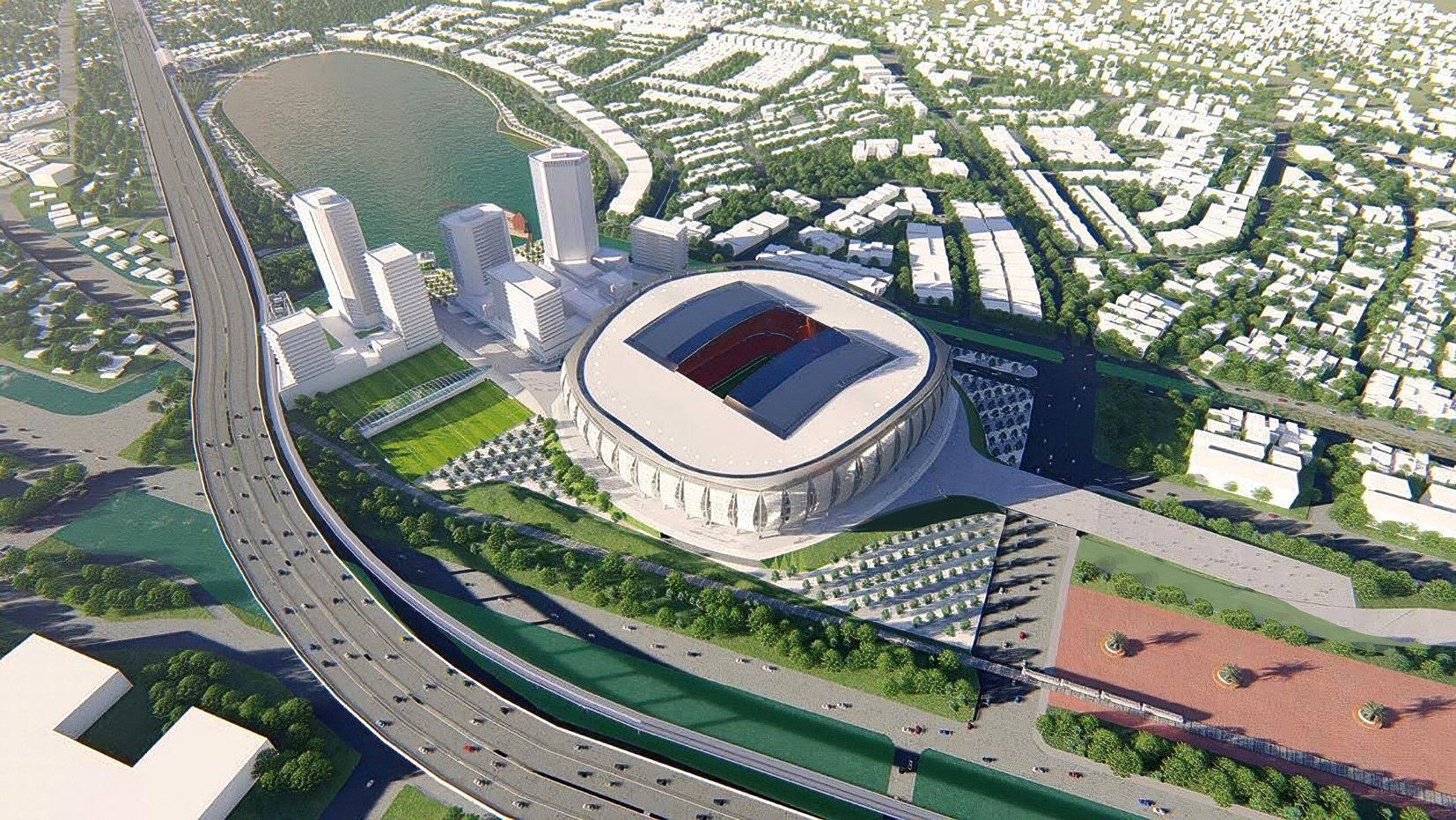 Project: Jakarta International Stadium, Multipurpose acoustics for sport, concert, and ceremony, a single venue tuned to host them all without rewiring.
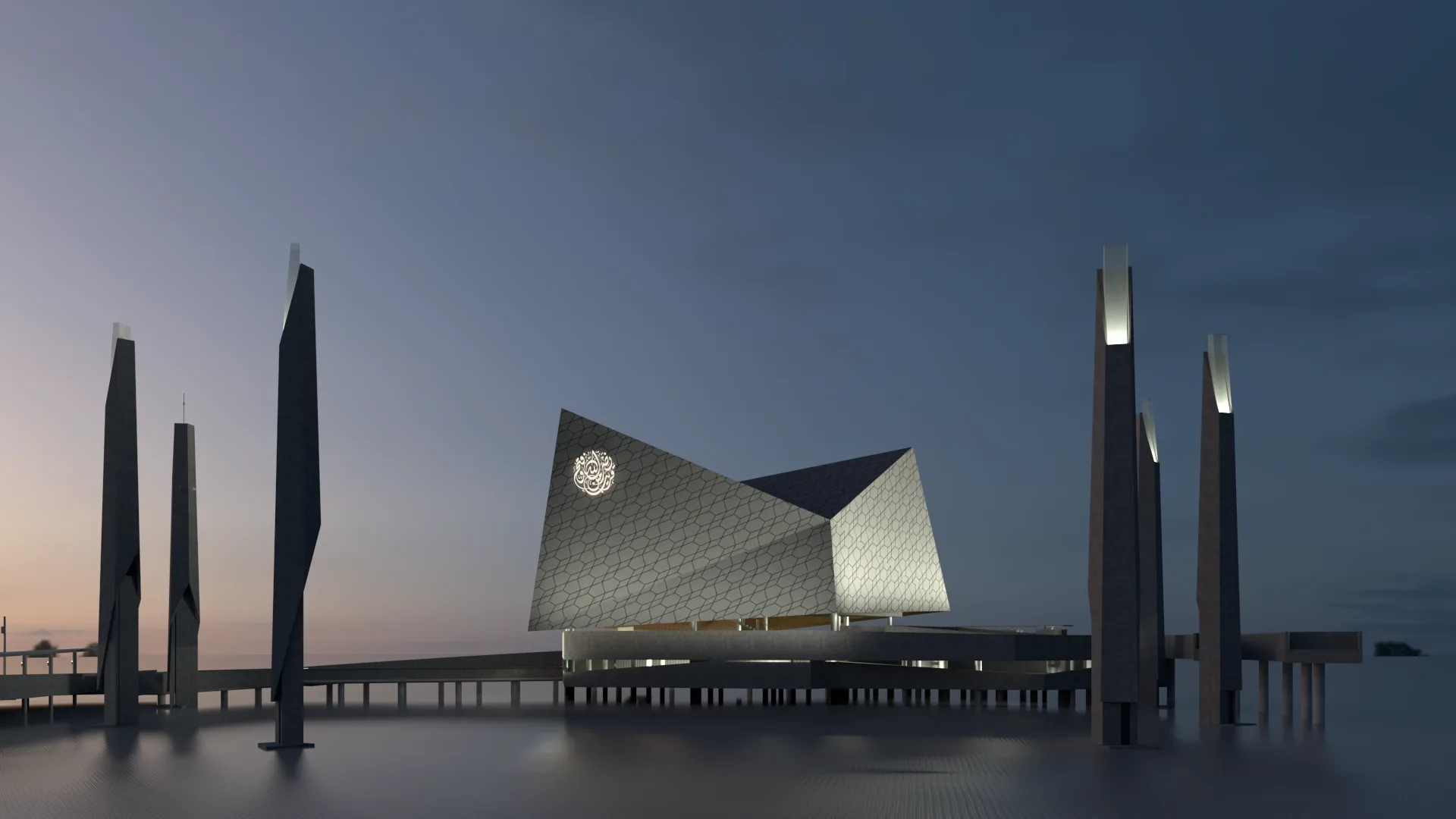 Project: Floating Mosque Ancol (Masjid Apung), Soft diffused light, focused accents, and an audio system tuned to chanting frequencies, calm and contemplative on water.