How Acoustic Noise Parameters Are Measured
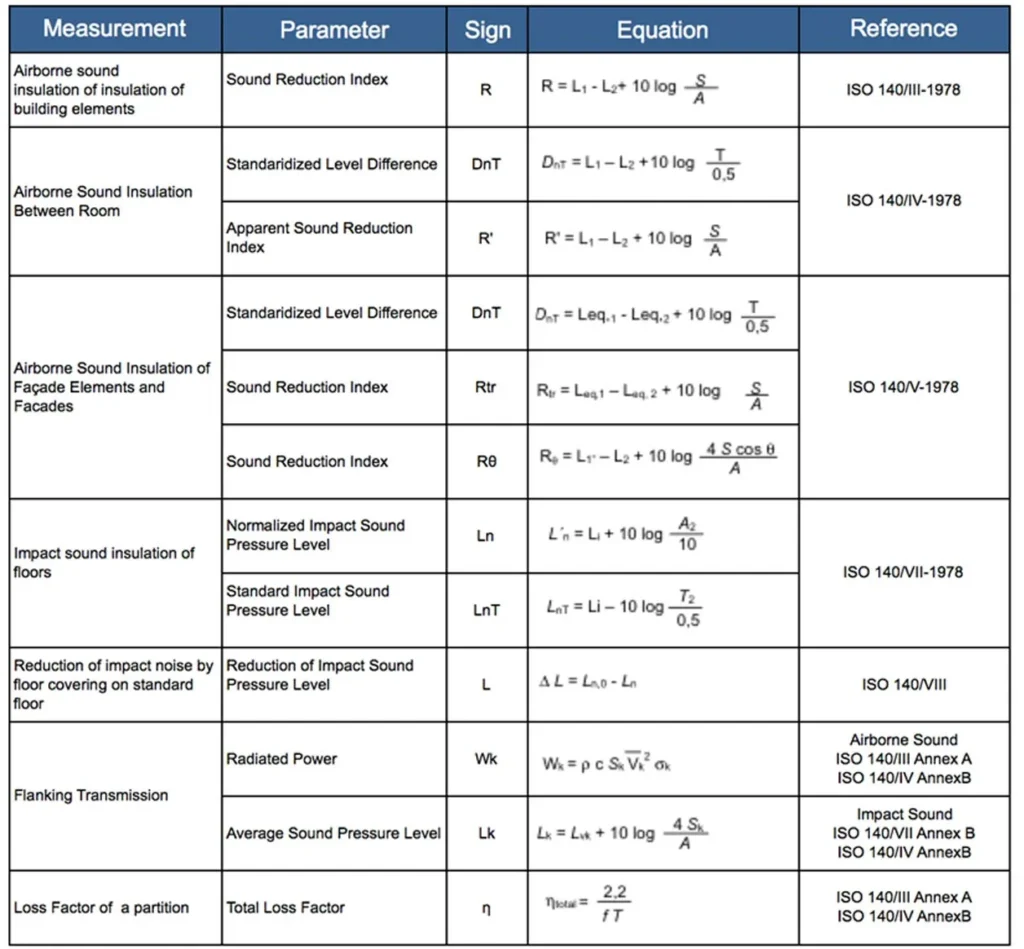
Acoustic noise parameter measurement, performed by ALTA Integra as acoustic consultant, is the on-site testing of sound levels and frequency behavior in and around a building, used to turn a vague noise complaint into accurate, actionable data. It is normally needed at two points in a project: right after the pre-design phase, as early information for problem analysis, and again after construction, to check that the built result matches the recommended design and to see how consistent the field performance is with what was planned.
Why Measure Building Noise at All
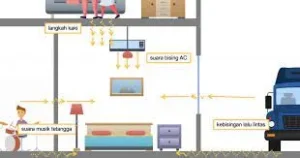
If a building has a noise problem — a mechanical room disturbing an office, traffic noise leaking into a classroom, or sound bleeding between adjacent tenants — the instinct is often to guess at a fix: add more insulation, move a wall, install a barrier. Without measurement, that guess may miss the actual cause entirely. An acoustic parameter measurement identifies exactly which frequencies are the problem, how loud they are relative to a recognized comfort or compliance threshold, and where the noise path actually runs. The accuracy of that data — and the analysis and solution built on it — directly affects the performance and satisfaction of the people using the building, and it saves cost by targeting the fix that is actually needed rather than over- or under-treating the space.
Core Parameters Acoustic Engineers Measure
### Sound Pressure Level (SPL)
Sound Pressure Level, usually expressed in decibels (dB) or A-weighted decibels (dBA), is the basic measurement of how loud a sound is at a given point. A-weighting adjusts the raw measurement to reflect how the human ear perceives loudness across different frequencies, which is why dBA is the standard unit for most noise-nuisance and compliance assessments.
### Noise Criteria (NC) and Noise Rating (NR)
Rather than a single decibel number, engineers often plot measured background noise across multiple frequency bands and compare the result against standard Noise Criteria (NC) or Noise Rating (NR) curves. These curves describe an acceptable background-noise profile for a given space type — a recording studio and an open-plan office, for example, have very different acceptable NC targets. Comparing a room's actual measured spectrum against the appropriate curve shows not just whether a room is "too loud," but at which frequencies it fails.
### Frequency-Band Analysis
Noise is rarely a single tone; it is a mix of energy spread across the audible frequency range (commonly analyzed in octave or one-third-octave bands from around 20 Hz to 20,000 Hz). Low-frequency noise (such as mechanical rumble) behaves very differently from high-frequency noise (such as a hissing air vent), and each requires a different treatment strategy. Frequency-band measurement is what allows the right treatment to be matched to the right problem.
### Reverberation Time
Where the concern is not just external noise intrusion but how sound behaves once it is inside a room, reverberation time — how long sound persists after the source stops — is measured alongside noise-level data to give a complete picture of the room's acoustic character.
When to Measure: Pre-Design and Post-Construction
Measuring early, right after the pre-design phase, establishes a baseline understanding of the site's existing noise conditions before any design decisions are locked in — this is the most cost-effective point to catch a problem, since changes are still cheap to make on paper. Measuring again after construction confirms whether the completed building actually performs the way the design intended. Any gap between the two data sets tells the team exactly where construction, material substitution, or workmanship may have fallen short of the design.
Turning Measurement Into a Solution
Once parameters are measured and compared against the appropriate reference curve or standard, an acoustic engineer can recommend a specific, targeted intervention — added mass in a partition, absorption at a particular frequency range, sealing a flanking path, or reworking a mechanical system's isolation — rather than a generic, one-size-fits-all treatment. This is the same measure-first approach Alta Integra applies across architectural acoustics work, from production and reproduction rooms to full building noise control.
Alta Integra's noise control consultations always begin with this kind of parameter measurement, because a recommendation built on measured data is verifiable in a way a generic recommendation never is.
Frequently Asked Questions
What is acoustic noise parameter measurement?
It is the on-site testing of sound levels and frequency content in a building or space, used to compare actual conditions against recommended standards and to diagnose the specific cause of a noise problem.
What is the difference between SPL and NC/NR ratings?
SPL (sound pressure level) is a direct decibel reading at a point. NC (Noise Criteria) and NR (Noise Rating) are reference curves that describe an acceptable noise spectrum across frequency bands for a given room type, allowing a measured spectrum to be judged against a use-appropriate target rather than a single number.
Why measure noise both before and after construction?
Pre-design measurement establishes a baseline while changes are still inexpensive to make; post-construction measurement confirms the finished building matches the design intent and reveals any gap caused during construction.
Does a noisy room always need major renovation to fix?
Not necessarily — frequency-band measurement often shows the problem is concentrated in a specific range, which can allow a targeted, cost-effective treatment rather than a full rebuild.
Who should carry out acoustic parameter measurement?
A qualified acoustic engineering consultant, using calibrated measurement equipment and comparing results against recognized standards for the room or building type in question.
Related reading: Room Acoustic Measurement for Sound Production · Acoustic Design Consultation Services · Acoustic Engineering Design