Lighting Calculator · Lumen Method
Kalkulator metode lumen gratis: masukkan ukuran ruang, reflektansi, dan target lux untuk menghitung jumlah luminer di kantor, ruang kelas, dan aula.
Table of Contents
Lumen Method Calculator
This Lumen Method calculator is free to use — no account, no password. It runs entirely in your browser; enter your name and email to reveal your result, and we can send you a copy.
This Lumen Method calculator estimates how many light fittings a room needs to reach a target illuminance, using the same zonal-cavity math ALTA Integra's lighting designers run as a first-pass check before opening a full photometric model. Enter the room's dimensions, the desired illuminance in lux, and a luminaire's rated lumen output, and the calculator returns an estimated fixture count immediately, entirely in the browser.
How the Calculation Works
The Lumen Method starts from a simple relationship: total lumens needed equals room area multiplied by target illuminance in lux. That figure is then divided by one luminaire's rated output, adjusted by two real-world factors: a utilisation factor, which accounts for how much of a fitting's light actually lands on the work plane given the room's proportions and surface reflectance, and a maintenance factor, which accounts for output lost over the fixture's service life to dust and lamp depreciation. The result is an estimated luminaire count for the space.
This is the same calculation lighting designers have used for decades as a fast, defensible first estimate, before a full simulation in DIALux, AGi32, or a similar tool refines it against the room's actual geometry, finishes, and furniture layout.
When to Use This Estimate
This Lumen Method calculator is built for the earliest stage of a project, sizing a budget, sanity-checking a contractor's fixture count, or getting a rough number before a lighting consultant is engaged. It assumes a reasonably uniform, empty room and a single luminaire type; it does not account for glare, beam angle, daylight contribution, or furniture and partitions that block light at the work plane.
For anything beyond that first estimate, an uneven room, a mix of luminaire types, or a space where visual comfort matters as much as raw illuminance, a full photometric model is the right next step, which is exactly what ALTA Integra's lighting design service delivers.
Units and Reference Standards
Illuminance is measured in lux (lumens per square metre) in most of the world, or foot-candles in parts of North America, 1 foot-candle is approximately 10.76 lux. Target levels for most building types come from the Illuminating Engineering Society's recommended-practice guides, the same reference ALTA Integra's own lighting designers use. Typical target illuminance levels come from national or international lighting guides: around 300–500 lux for general office work, 150–200 lux for corridors and circulation space, and considerably higher for detailed task work like technical drawing or fine assembly. This Lumen Method calculator works in lux; converting a foot-candle target is a straightforward multiplication before entering it.
A Worked Example
Take a 20 m² office aiming for 400 lux, a typical open-plan target under most workplace lighting guides. Total lumens needed: 20 × 400 = 8,000 lumens. A common LED panel rated at 4,000 lumens, with a utilisation factor of 0.6 (a mid-range office with average-reflectance surfaces) and a maintenance factor of 0.8, effectively delivers 4,000 × 0.6 × 0.8 = 1,920 usable lumens per fitting. Dividing 8,000 by 1,920 gives roughly 4.2 fittings: rounded up to 5 in practice, since partial fixtures don't exist and a small margin covers real-world variation the estimate doesn't capture.
That is precisely the calculation this Lumen Method calculator automates: enter the room area, target illuminance, and luminaire output, and it returns the same fixture count without the manual arithmetic.
Beyond the Estimate
More free calculators covering other early-stage acoustic and thermal-comfort questions are planned for the main resources page. For a project that has outgrown a back-of-envelope estimate, the contact page is the fastest way to reach ALTA Integra's team directly.
Related Lumen Method Insights and Project Work
Further Lumen Method material from ALTA Integra, related technical insights, and the built projects where this engineering was applied.
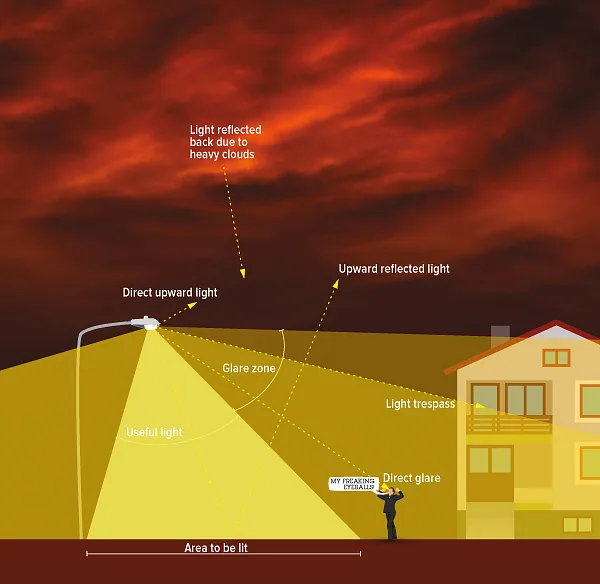 Insight: Outdoor Lighting Without Light Pollution: Four Components and How to Design Them Out, Misdirected light is wasted light. The two problems have the same fix, which is unusual and worth exploiting.
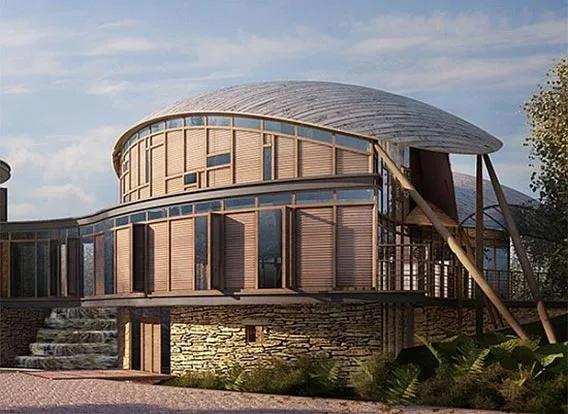 Insight: Classroom Acoustics and Daylighting: Designing Schools Around How Learning Actually Happens, Task illuminance on the desk, not the room average, is what a fixture count has to deliver.
 Insight: Hotel and Apartment Design: Why Acoustics, Lighting and Thermal Performance Interact More Here Than Anywhere, Lighting, acoustics and thermal load share one envelope here, so a fixture count cannot be set in isolation.
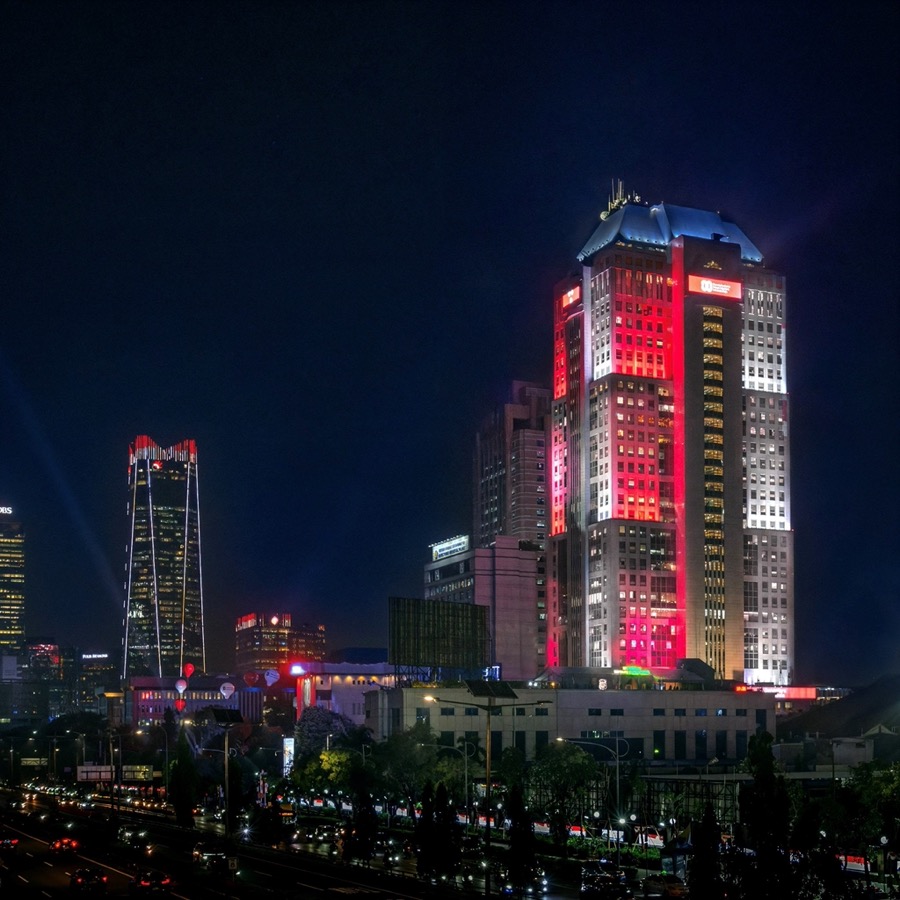 Project: Danantara Plaza Mandiri, Façade lighting tuned for environmental responsibility, energy-efficient, low-glare, no spill into the Jakarta night.
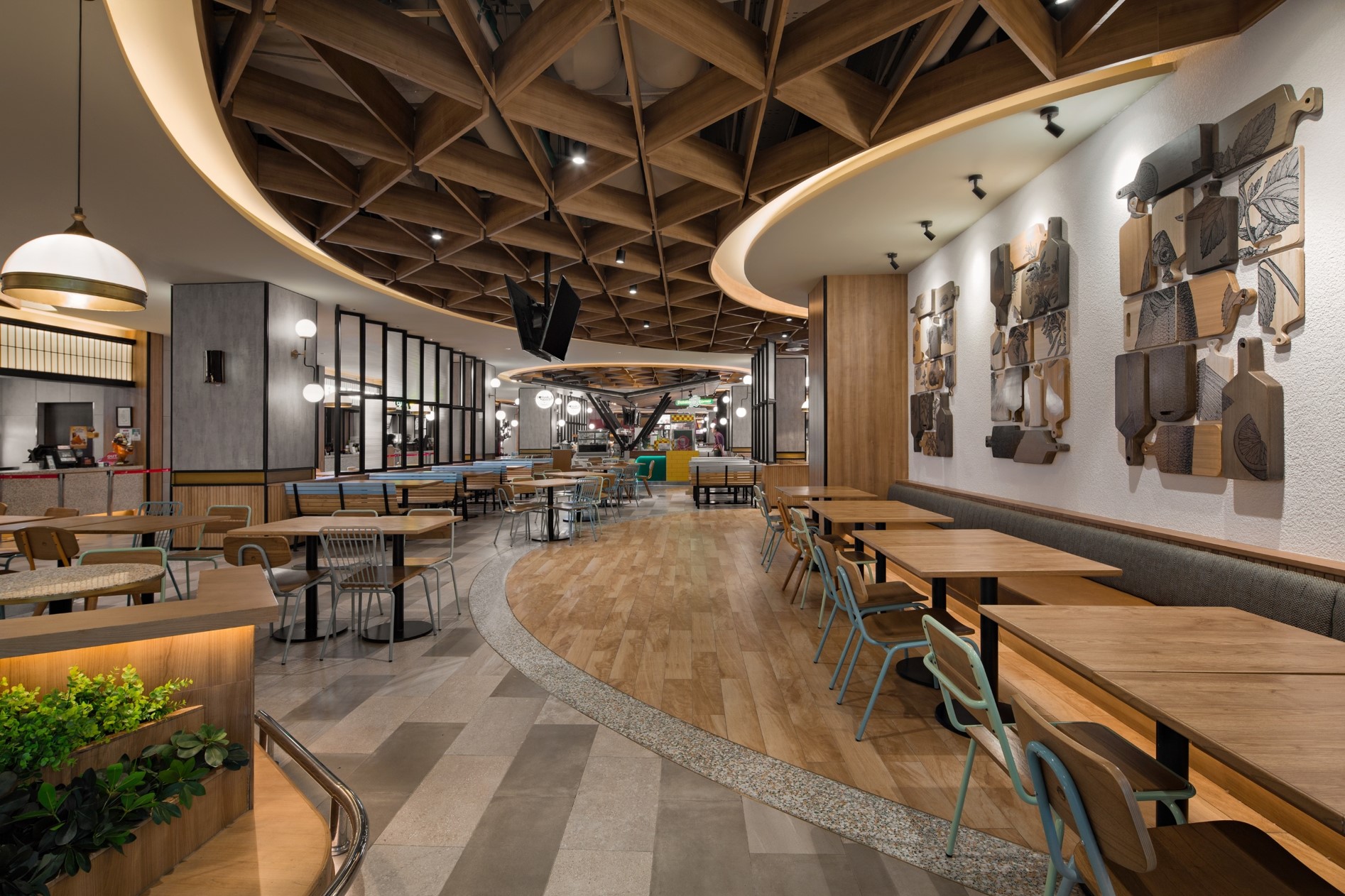 Project: Food Empire, Emporium Pluit Mall, A food-court and dining destination inside Emporium Pluit Mall, layered lighting for a lively, comfortable crowd.