OTTV Calculator
Table of Contents
OTTV Calculator
This OTTV calculator is free to use — no account, no password. It runs entirely in your browser; enter your name and email to reveal your result, and we can send you a copy.
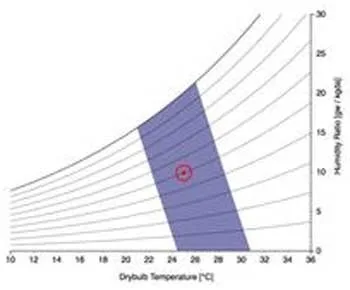
Overall Thermal Transfer Value measures how much heat a building's envelope lets in per square metre of facade. This OTTV calculator uses a shoebox model with four facades and returns an area-weighted whole-envelope figure, plus the value for each orientation and a breakdown of where the gain is coming from.
It is built for the stage where the massing exists but the facade does not: a plan dimension, a height, a rotation, and a window-to-wall ratio per elevation are enough to get a number. In a tropical climate that number is the single strongest early predictor of cooling load, and therefore of chiller size, energy cost and green building credit.
How the OTTV Calculation Works
OTTV sums three heat paths across each facade and area-weights the results. Conduction through the opaque wall, conduction through the glazing, and solar radiation transmitted by the glazing:
OTTV = α (1 − WWR) Uw ΔT + WWR × Uf ΔT + WWR × SC × SF
The first term is the wall: solar absorptance α of the finish, the opaque fraction, the wall assembly's U-value, and an equivalent temperature difference. The second is straightforward conduction through the window. The third — window-to-wall ratio multiplied by shading coefficient and solar factor — is solar gain, and in a tropical climate it usually dominates the other two combined.
Each facade is computed separately with its own solar factor, because a west elevation receives far more late-afternoon radiation than a north one, then the four results are area-weighted into a single envelope value. The calculator interpolates solar factor by true compass direction, so rotating the building changes the answer.
What Each Facade Input Changes
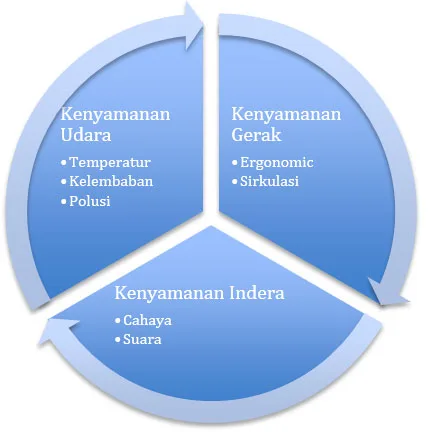
Every elevation carries its own inputs, and they are not equally powerful:
- Window-to-wall ratio — the strongest single lever, because it scales the solar term directly. Cutting WWR on the west elevation typically beats any glass upgrade.
- Glazing shading coefficient — how much solar heat the glass admits relative to 3 mm clear. The built-in library spans clear single glazing through to triple low-E.
- Overhang and fin geometry — projection depth relative to window height, converted into an external shading multiplier. Horizontal overhangs work on north and south, vertical fins on east and west.
- Wall U-value and solar absorptance — the opaque path. A pale finish on a light wall is a cheap improvement, but its effect is smaller than the glazing terms.
Reading the per-surface breakdown is what makes the tool useful: it shows whether the envelope is losing to glass area, to glass specification, or to the wall build-up, and each of those has a different and differently priced remedy.
A Worked OTTV Example
Take a 36 × 22 m floorplate, 45 m tall, unrotated, with 40% glazing north and south, 35% east and 30% west, all in double-glazed low-E units. With a light-grey render, an insulated precast wall and modest overhangs, the whole-envelope figure lands close to the 35 W/m² that Indonesian practice and Greenship both use as a ceiling — and the per-facade view shows west and east carrying most of the load despite having the least glass.
Now change one input. Raising west glazing from 30% to 50% with the same glass and the same shading pushes the envelope value clearly over the limit, because the west solar factor is the highest of the eight directions. Recovering it by improving glazing alone means moving from low-E double to solar-control or triple glazing across the whole facade — a far more expensive route than reducing the glass area or deepening the fins.
That asymmetry is the most useful thing an OTTV calculator teaches early: orientation and shading geometry are nearly free while the building is still a massing model, and glass specification is what you pay for once they are fixed. It is the same logic behind passive design work.
Reading the Result Against a Limit
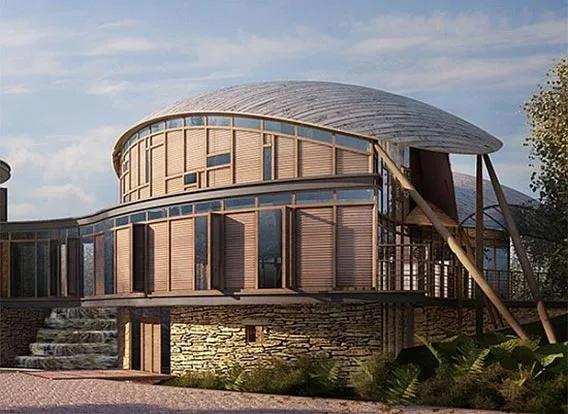
The result is compared against a limit — 35 W/m² by default, matching common Indonesian practice. Under the limit is a pass at concept stage; over it means the envelope will carry cooling load into every downstream system, and the cheapest fixes are geometric rather than material.
Because the calculation is prescriptive, it is also auditable, which is why envelope credits in green building certification schemes lean on it. Treat the number as a design constraint from the first massing study rather than a compliance form filled in later: an envelope that fails at design development is expensive to fix and often ends up compensated with a larger chiller instead.
Where an OTTV Calculator Stops
This OTTV calculator is a prescriptive first pass, not an energy model. It assumes a shoebox with four flat facades, so it cannot represent a curved or faceted envelope, self-shading from the building's own massing, or shading from neighbours and terrain. Roof heat gain is a separate calculation, and internal gains, infiltration, thermal mass and system efficiency sit entirely outside the method.
The shading multipliers here come from an indicative projection-factor table interpolated by orientation. Any project being submitted for compliance should substitute the lookup table from the governing code, and the tool says so on screen. Glazing values should come from the manufacturer's certified data rather than the generic library once products are selected.
Used at concept stage, it answers the question that matters then: is this massing and glazing strategy plausible, and which elevation is the problem? ALTA Integra replaces it with hourly whole-building energy simulation and daylight modelling before an envelope is signed off. The glazing property at the centre of the solar term is explained in this reference on the shading coefficient.
Related Ottv Calculator Insights and Project Work
Further OTTV calculator material from ALTA Integra, related technical insights, and the built projects where this engineering was applied.
- Insight: Thermal Comfort in Indonesian Building Design — How SNI defines comfortable indoor conditions, and what the envelope has to deliver to reach them.
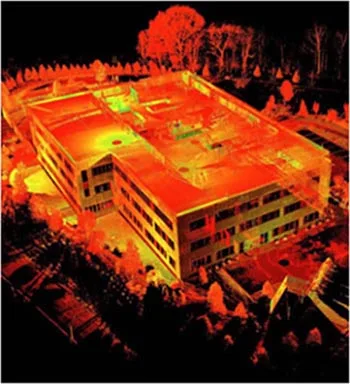 Insight: Passive Thermal Design and Natural Ventilation — Reducing cooling demand through form, shading and airflow before mechanical plant is sized.
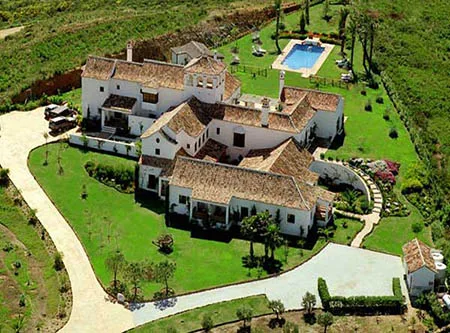 Insight: Bioclimatic Architecture as a Strategy for Green Buildings — Orientation and envelope decisions made from climate rather than from style.
- Insight: Why Thermal Comfort Is a Green Building Criterion, Not a Comfort Nicety — The link between envelope performance, occupant comfort and certification credit.
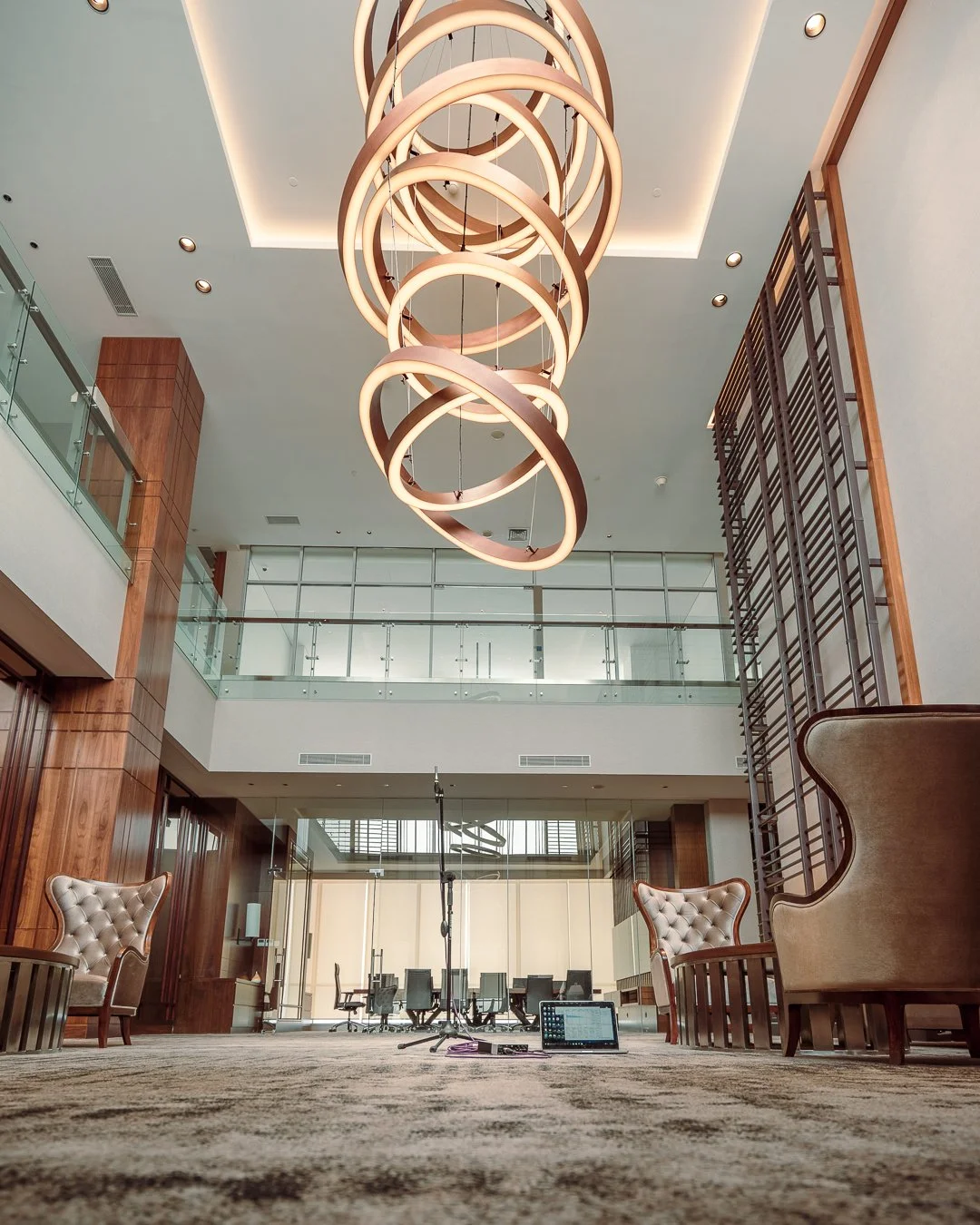 Project: Kino Tower — A Jakarta office tower where envelope and interior performance were designed together.
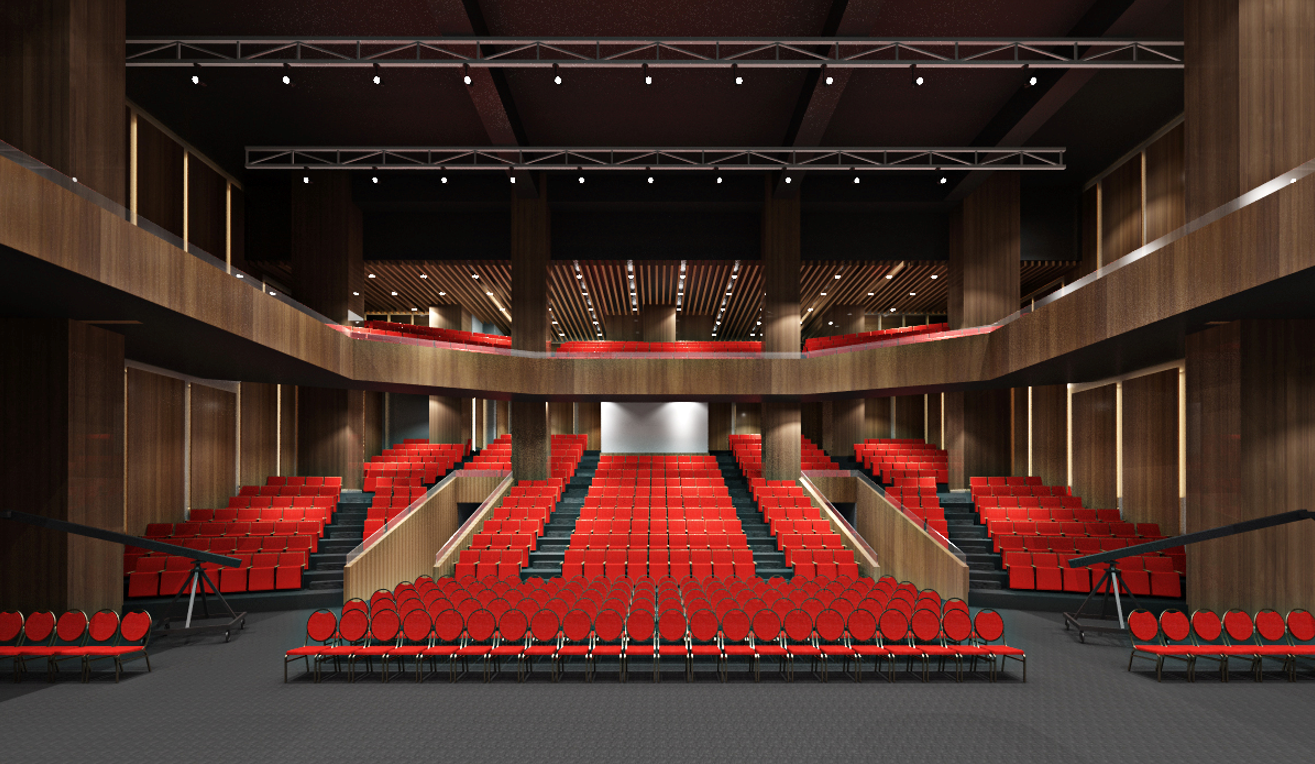 Project: Nusantara TV Tower Jakarta — A broadcast tower balancing glazed frontage against heat gain and acoustic isolation.
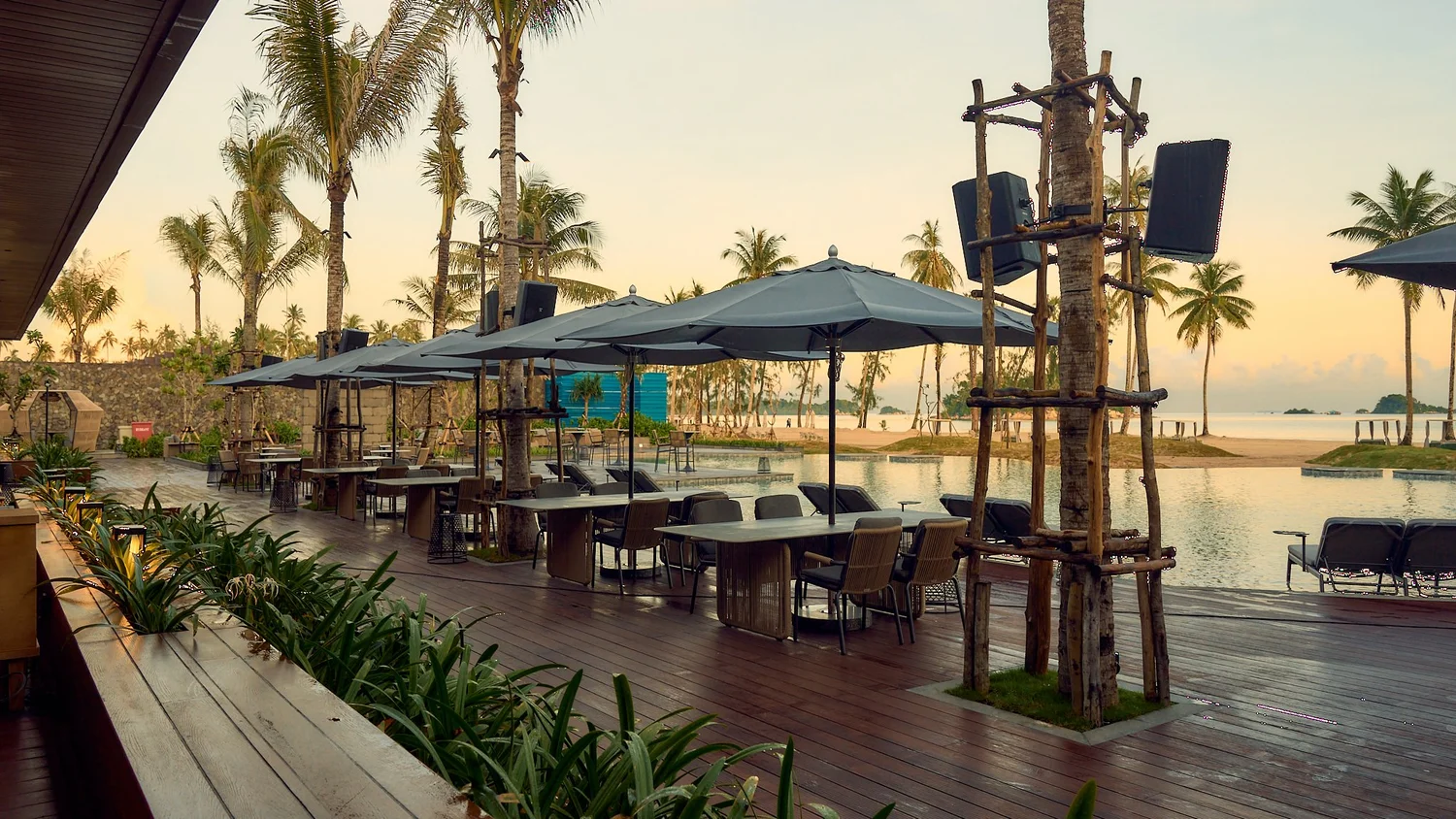 Project: Hotel Indigo Bintan Lagoi Beach — A coastal resort where solar control and guest comfort drove facade decisions.